


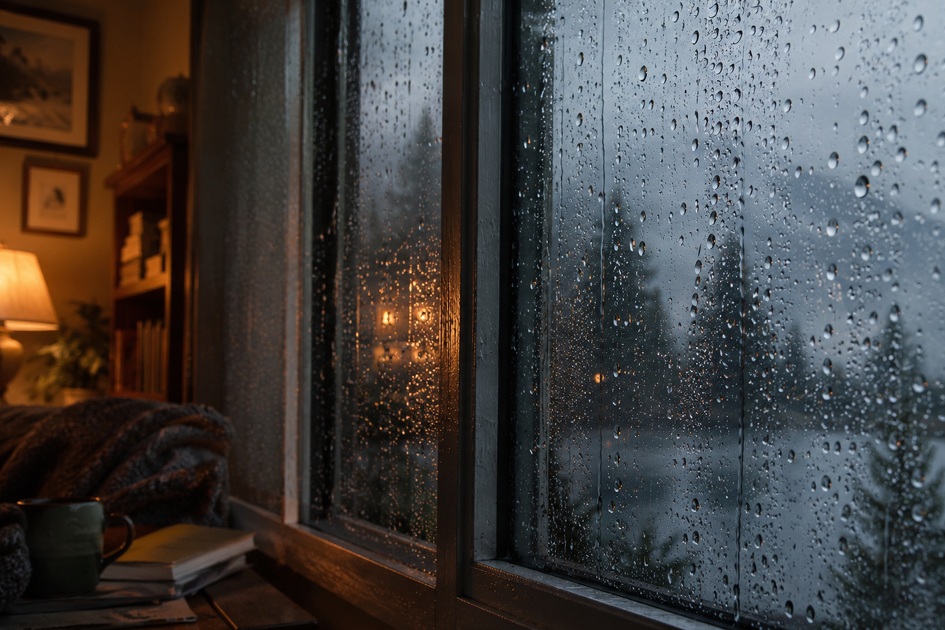
Ireland has no shortage of older homes. They have plenty of character, solid craftsmanship and stories to tell. They also have a habit of doing one thing every winter...
Waking up with windows so wet you'd swear someone had left them out in the rain.
If you're constantly wiping down windows, spotting black mould in the corners of rooms or wondering where that damp smell is coming from, condensation is usually the culprit.
The good news? It's a problem you can do something about.
Why Does Condensation Happen?
Condensation is simply warm, moisture-filled air meeting a cold surface. The warm air cools down, can't hold as much moisture, and the water ends up on your walls or windows instead.
Think of it like taking a cold can from the fridge on a warm day. The can isn't leaking—it's just collecting moisture from the air.
Your home does exactly the same thing.
Everyday jobs create more moisture than most people realise:
- Cooking dinner
- Taking showers
- Drying clothes indoors
- Boiling the kettle (yes, even the fifth cup of tea)
None of these are the problem on their own. It's when that moisture has nowhere to go that condensation starts to appear.
Why Older Irish Homes Struggle More
Many older Irish homes were built long before modern insulation and ventilation became standard.
That often means:
- Cold external walls
- Single-glazed or older windows
- Limited ventilation
- Little or no wall insulation
- Cold spots around windows and corners (known as thermal bridging)
When warm air meets these colder surfaces, condensation forms and that's where mould gets its chance.
The Real Problem Isn't the Water...
...it's what comes after.
Mould loves damp conditions.
Once condensation starts appearing regularly, it doesn't take long before you notice:
- Black spots around windows
- Mould in room corners
- Peeling wallpaper
- Damp patches
- That unmistakable musty smell that says, "Something's not right."
Many homeowners scrub the mould away, only to find it back a few weeks later.
Unfortunately, mould is a bit like weeds in the garden. If you only deal with what's on the surface, it'll keep coming back.
Step One: Get Rid of the Existing Mould
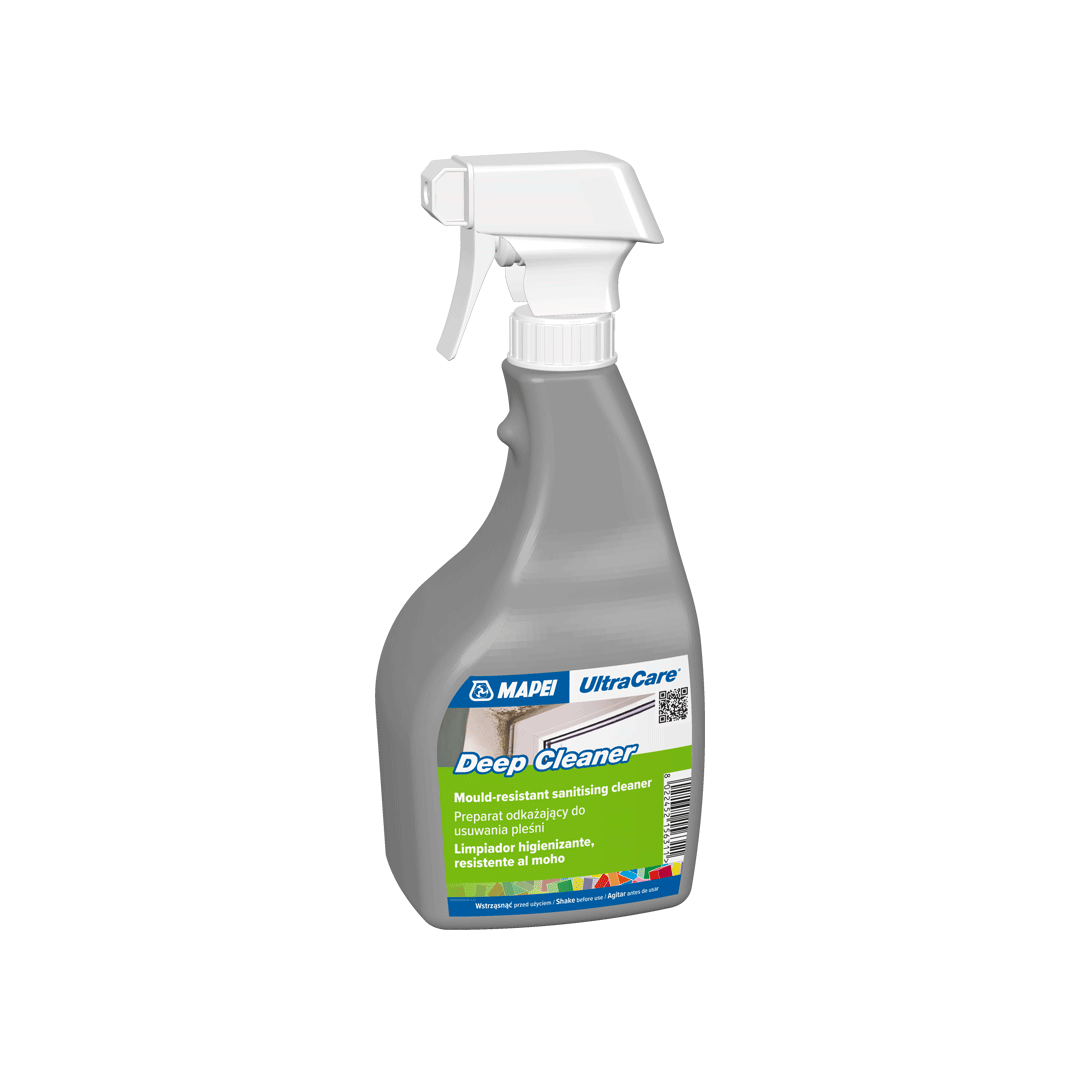
Before tackling the cause, it's worth properly cleaning the affected areas.
Mapei UltraCare Deep Cleaner is designed to remove mould, mildew and organic staining from walls and other surfaces, giving you a clean starting point before preventing it from returning.
As always, follow the manufacturer's instructions and make sure the room is well ventilated while cleaning.
Step Two: Stop the Condensation Coming Back
Cleaning is only half the job.
If the room is still cold and damp, condensation will simply return.
Step Three: Let Your House Breathe
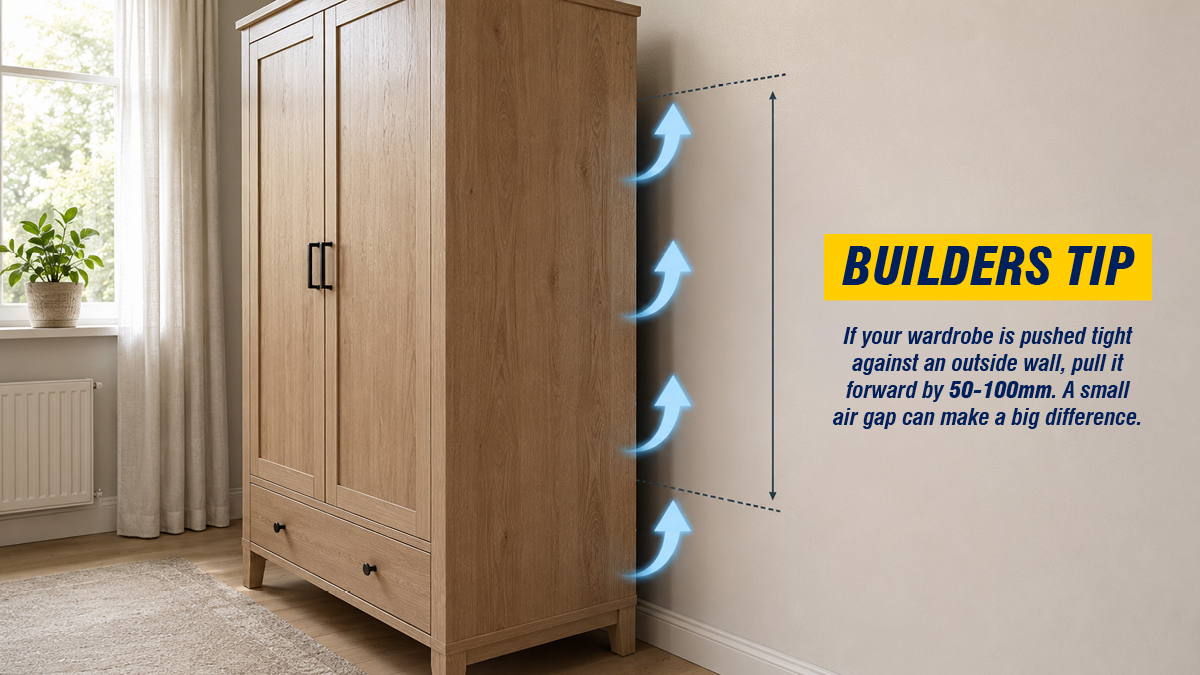
A little fresh air goes a long way.
Simple habits can make a real difference:
- Use extractor fans when cooking or showering.
- Open windows for a few minutes each day.
- Keep trickle vents open.
- Dry clothes outdoors where possible—or use a tumble dryer if you have one.
Your windows might not thank you immediately, but they will eventually stop looking like they've watched the ending of The Green Mile.
Step Four:
Cold walls are one of the biggest reasons condensation keeps returning.
By raising the surface temperature of the wall, there's less opportunity for moisture to settle.
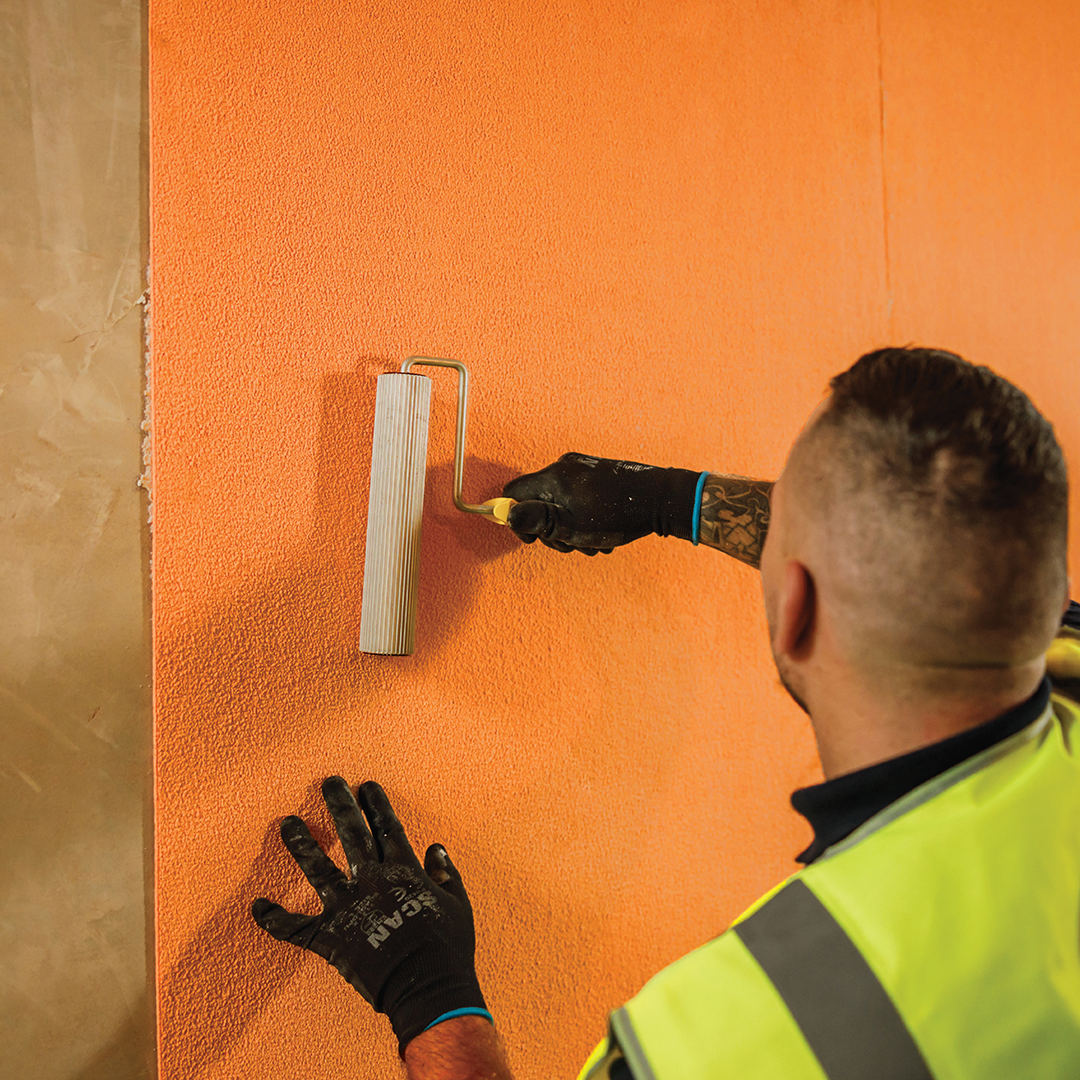
Mapei Iso-Therm Membrane is designed to improve thermal comfort by creating a warmer internal wall surface, helping to reduce condensation and the conditions mould needs to grow.
Use the Right Adhesive
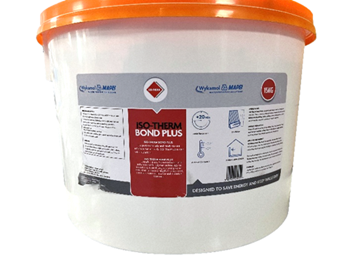
To install the membrane correctly, it's paired with Mapei Iso-Therm Bond Adhesive, creating a complete system designed to tackle cold wall surfaces and thermal bridging.
Signs It's Time to Act
If any of these sound familiar, condensation is likely playing a part:
- You wipe the windows every morning.
- Mould keeps returning no matter how often you clean it.
- External walls always feel cold.
- Black mould is appearing in room corners.
- Your home smells damp despite regular cleaning.
The sooner you deal with condensation, the easier it is to avoid damage to paintwork, wallpaper, furniture and indoor air quality.
Final Thoughts
A bit of condensation on the bathroom mirror after a shower? That's perfectly normal.
Having to towel-dry your windows every morning? That's your house trying to tell you something.
By improving ventilation, removing existing mould properly and insulating cold wall surfaces, you can make older Irish homes healthier, warmer and much more comfortable throughout the year.
Whether you're renovating a period property, maintaining a family home or finally tackling that mouldy corner you've been pretending not to notice, Chadwicks has the products and expert advice to help you get the job done.
Still battling condensation?
Call into your local Chadwicks branch and chat to the team. We'll help you find the right solution before a small damp patch turns into a much bigger job.